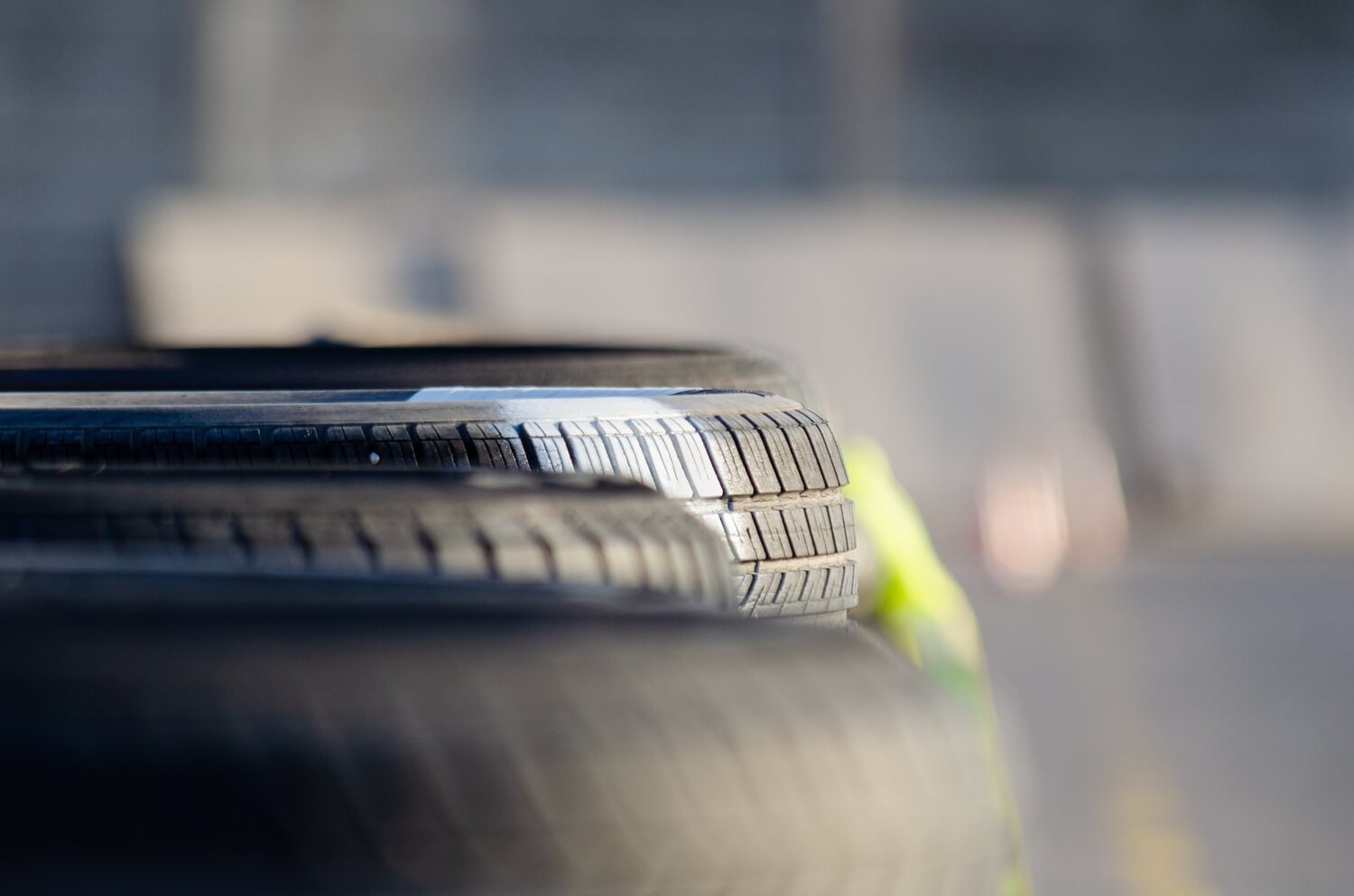
For most drivers, a tyre is merely another purchase. It’s a black, round, rubber necessity that many people find expensive for something that eventually wears away on the asphalt. However, looking at a car tyre price from a retail commodity perspective is a mistake.
Today, modern high-performance tyres represent one of the most complex composite structures to ever exist, combining advanced molecular chemistry, structural architecture and digital sensing. You don’t only pay for the raw rubber – you pay for a premium act known in the industry as the magic triangle.
The Chemical Compound
At the core of every tyre is its chemical compound. Traditionally, tyres relied on “carbon black” to provide strength and durability; however, carbon black represents some sort of physical paradox. A tyre that is hard enough to last a long time can usually lack the flexibility to grip a wet road. On the other hand, a soft tyre provides immense safety; however, it wears out in a few thousand kilometres.
To solve these issues, premium manufacturers started using functionalised polymers and silica nanoparticles. Thanks to specialised coupling agents (silanes), engineers can bond silica to synthetic rubber at a molecular level. This makes the tyre flexible at low temperatures for grip while maintaining high structural integrity to reduce rolling resistance.
This requires billions in R&D and precision manufacturing, which certainly affects car tyre price, meaning that paying a higher price for a premium brand is basically paying for an “engineering cocktail” that helps your car stop metres shorter in an emergency, which is often a distance that defines the difference between a close call and a collision.
The Architecture Behind Run-Flats
In addition to the chemistry, there is also the physical skeleton of the tyre. Many vehicles now use Run-Flat Technology for their tyres, representing a massive leap in structural engineering. A standard tyre relies only on air pressure to hold the vehicle up. Without that air, the sidewall collapses, and the rim destroys the tyre.
A run-flat tyre features reinforced sidewalls, which are basically thick inserts of heat-resistant rubber that can support the entire weight of the vehicle even at zero PSI.
Manufacturing these sidewalls is a technical minefield. Since these inserts are thick, they create immense friction heat when driven on while flat. This means that manufacturers have to use expensive, high-grade synthetic resins to prevent the tyre from disintegrating.
This, combined with the specialised bead construction necessary to keep the tyre on the rim during a blowout, further increases the car tyre price.
Digital Tyres
Another innovation affecting the car tyre price is the transition from basically just rubber to a whole “intelligent hardware.” Basic Tyre Pressure Monitoring Systems (TPMS) have been around for a long time. These days, we are entering the era of the Connected Tyre.
Modern high-end tyre manufacturers are starting to incorporate internal RFID chips and tread-embedded sensors, that can track various things, including temperature gradients (detecting internal friction before a blowout), tread depth estimation (vibration algorithms help notify the driver when the legal limit is approaching), road surface analysis (sending data to the cars ESC to warn it about icy road before the driver even notices a slip), and more.
These things basically turn the tyre into a data-gathering tool. While this tech affects the car tyre price, the value proposition is clear. Knowing when a tyre is misaligned or underinflated can help drivers extend the life of the rubber, recouping the initial investment.
A Combination of Complexities
A tyre is not simply “poured” into a mould. It requires designing and building, layer by layer, on a rotating drum. A premium tyre consists of more than 20 different components, such as steel wire beads, textile cord piles, nylon overlays and various rubber sheets, where each layer must be perfectly aligned within millimetres.
Premium tyre manufacturers subject their products to X-ray inspections and laser-scanning to ensure there are no air pockets and that each steel belt is perfectly aligned, which is crucial when you’re driving fast. This level of quality control is also a significant part of each car tyre price.
The cost of the new set of rubber is something that is easy to complain about. However, it is important to remember that when you’re evaluating car tyre price, you’re looking at the cost of a chemical safety net, a reinforced structure and a digital sensor suite.
In today’s world, where cars are heavier and faster, the engineering hidden inside the black and round things is the only thing keeping your car’s power safely connected to the earth.