Key Takeaways
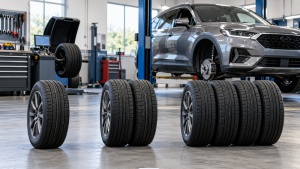
- A common industry guideline, sometimes called the 20% rule, is that if your remaining tyres have worn down by more than about 20% compared to a new tyre, replacing just one creates a tread-depth mismatch that can affect handling.
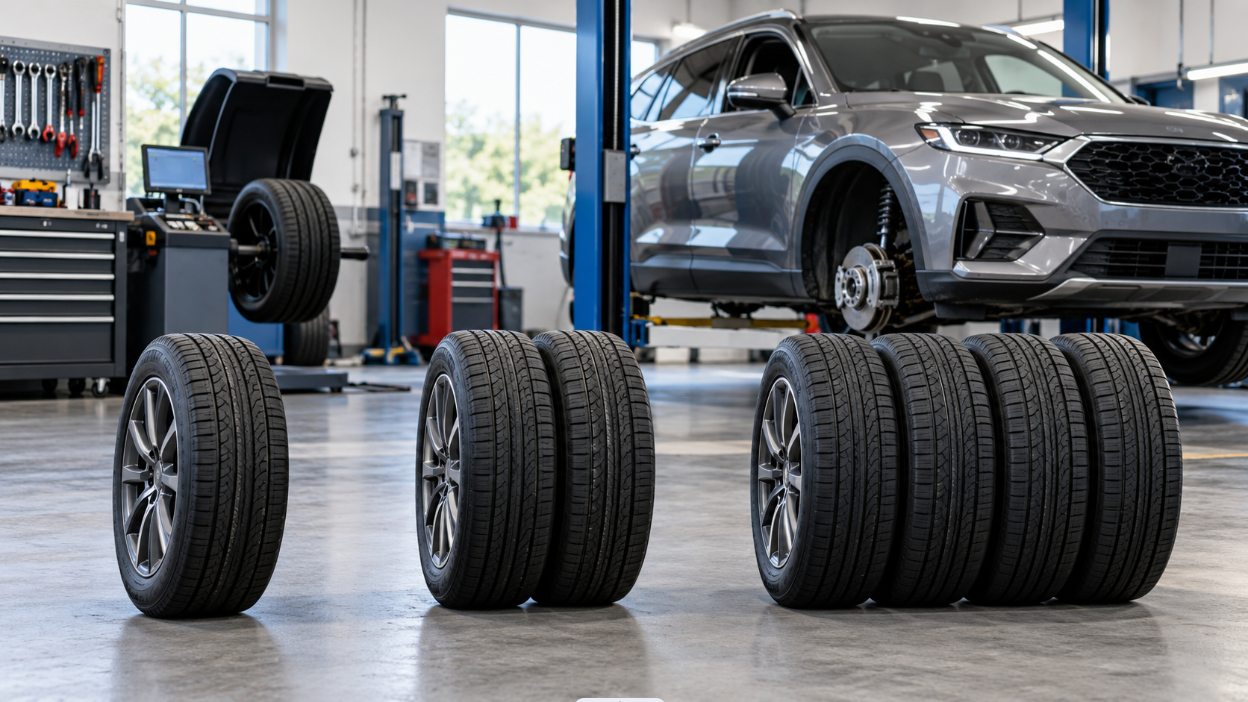
- In practical terms: replace one tyre only if the other three are close to new, replace a matching pair on the same axle if wear is moderate, and replace all four if wear is heavy or the car is all-wheel drive.
- New tyres should generally go on the rear axle, even for front-wheel-drive cars, since this helps maintain control in wet conditions, which matters given Malaysia’s frequent rain.
- Malaysia’s legal minimum tread depth is 1.6mm; a new tyre typically starts around 8mm, so tracking wear against this range helps decide when replacement is genuinely needed.
Replacing tyres one at a time feels like the cheaper option, and sometimes it genuinely is the right call. Other times, it creates a mismatch that affects how your car handles, especially in the rain. This guide explains how to tell the difference.
Why Tread Depth Matching Matters
A tyre’s grip comes largely from its tread depth, and a brand-new tyre grips differently from one that is partway worn, especially in wet conditions. When one tyre on an axle has significantly more tread than the other, the car can respond unevenly during braking or cornering, which becomes more noticeable the wetter the road is. This is why the decision to replace one, two, or four tyres depends less on cost and more on how much the remaining tyres have already worn down.
Regular tyre rotation, generally every 8,000 to 12,000km, helps keep wear even across all four tyres in the first place, which reduces how often this decision comes up at all.
The General Rule of Thumb
A widely used guideline, often called the 20% rule, suggests that once your existing tyres have worn down by more than around 20% from new, adding a single new tyre creates too large a difference in grip and rolling diameter to be considered safe.
In rough terms for a typical tyre starting at about 8mm of tread when new:
| Remaining Tread on Other Tyres | Generally Recommended |
|---|---|
| Close to new (above roughly 6.5mm) | Replacing just one tyre is usually acceptable |
| Moderately worn (roughly 3 to 6.5mm) | Replace a matching pair on the same axle |
| Heavily worn (below roughly 3mm) or close to Malaysia’s 1.6mm legal limit | Replace all four |
These figures are general guidance rather than an exact threshold for every vehicle, so a physical check by a tyre technician is the most reliable way to confirm your specific situation.
Special Case: All-Wheel Drive Vehicles
If your vehicle is all-wheel drive, the guidance is generally stricter. AWD systems are sensitive to differences in tyre diameter between wheels, since a mismatch can force the drivetrain to compensate constantly, potentially leading to premature wear on drivetrain components. For this reason, replacing all four tyres together is generally recommended for AWD vehicles once any single tyre needs replacing, rather than replacing just one or two.
Why New Tyres Go on the Rear, Not the Front
If you are only replacing two tyres, the newer pair generally belongs on the rear axle, regardless of whether your car is front-wheel or rear-wheel drive. This might seem counterintuitive, but the reasoning is about safety: the rear tyres are what keep the back of the car stable during hard braking or in wet conditions, so placing more worn tyres there increases the risk of the rear losing grip first, which is generally harder to control than a front-end skid.
What This Means for Malaysian Drivers
Malaysia’s tropical climate means sudden downpours are a regular part of driving, which makes tread depth and grip matching more relevant here than in drier climates. Malaysia’s legal minimum tread depth is 1.6mm, but waiting until a tyre reaches that exact limit before considering replacement leaves little safety margin, particularly in heavy rain. Checking tread depth regularly, rather than only when a tyre visibly looks worn, is the more reliable habit.
Frequently Asked Questions
Is it ever okay to replace just one tyre?
Generally yes, but only if the other three tyres are still close to new and match in brand and model. If the other tyres show noticeable wear, replacing just one is not usually advisable.
Do I need to replace all four tyres at the same time?
Not always. This is generally only necessary if all tyres are heavily worn, the vehicle is all-wheel drive, or a suitable matching tyre for a partial replacement cannot be sourced.
Why do new tyres go on the back instead of the front?
Placing newer tyres on the rear axle helps maintain rear-end stability and grip, particularly in wet conditions, which is considered a more critical safety factor than front-end grip alone.
What is Malaysia’s legal minimum tyre tread depth?
The legal minimum is 1.6mm, though many tyre professionals recommend replacement before reaching this limit, especially given how often it rains in Malaysia.
How can I check my tyre’s tread depth at home?
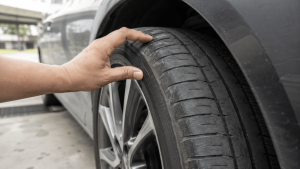
A simple visual check against the tread wear indicator bars built into most tyres gives a rough idea, but a proper measurement with a tread depth gauge at a tyre shop is more accurate and is generally offered free of charge during a routine check.
Getting a Professional Opinion on Your Tyres
Reading tread wear correctly, and deciding whether one, two, or four tyres need replacing, is easier with a physical inspection than guesswork. Tayaria’s tyre finder can help once you know which size and how many tyres you need, and Tayaria’s guide on car tyre lifespan and replacement timing covers the broader signs that indicate a tyre needs attention.
For a check on your specific vehicle, visiting your nearest Tayaria outlet is the most reliable way to get a direct answer.