If you’re a driver in Malaysia, then you surely know this feeling. One moment you’re driving on a dry road under the hot sun and the next, heavy rain pours, turning familiar streets into something completely unpredictable. Traffic slows, visibility drops and your car suddenly feels…well, different. Less responsive and slightly less stable… almost like it’s not fully under your control. But here’s the thing: it’s not just the heavy rain itself that is making driving dangerous. It’s the whole combination of how tyres behave, how roads change and how drivers react, often without realising it.
What Actually Changes?
When rain gets in contact with the road, specifically after a long dry spell, the surface becomes more slippery than most of us expect. Dust, oil and debris that have built up over time mix with water, creating a thin, slick layer. This is why the first 10-15 minutes after the rain are often the most dangerous.
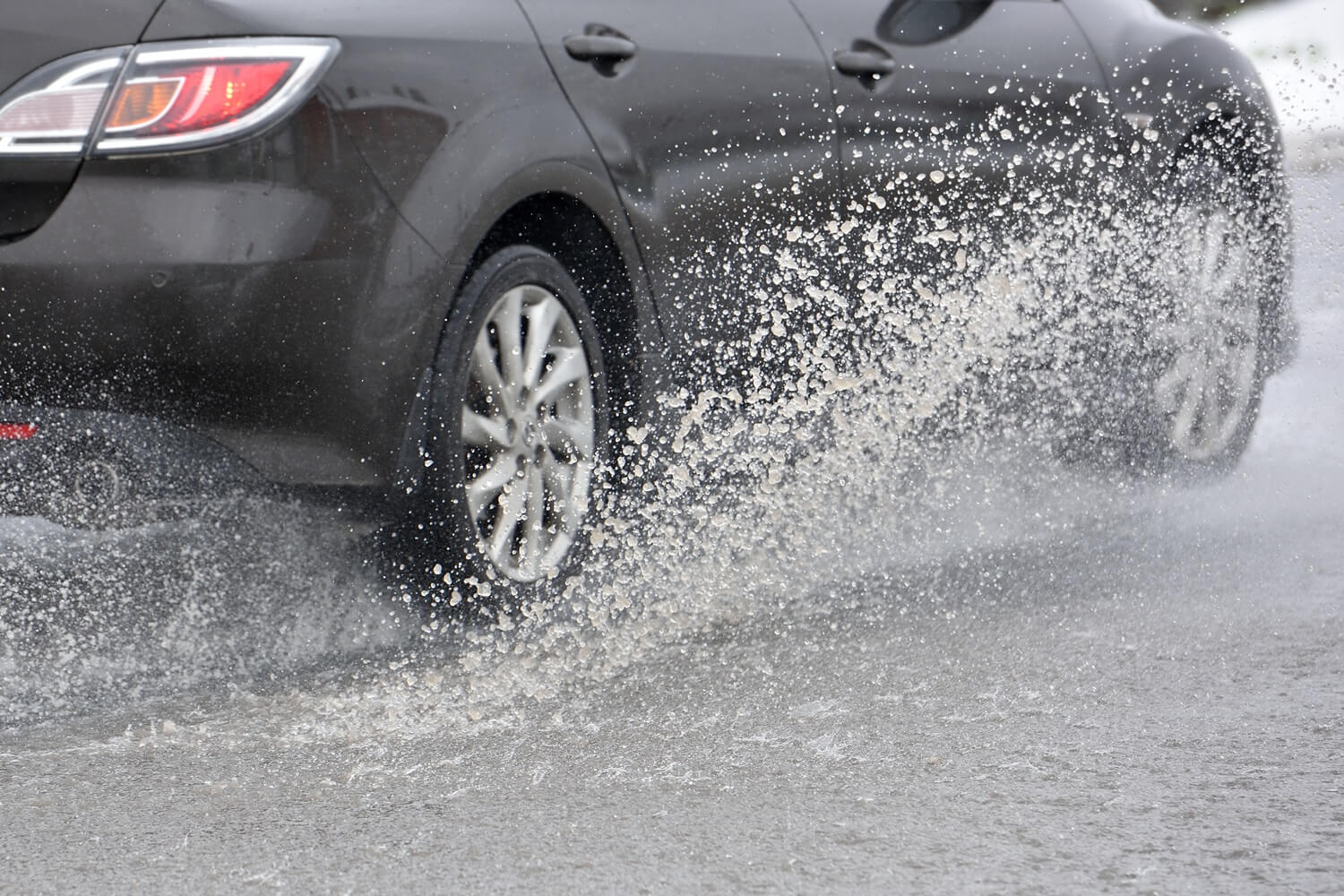
Water also starts to pool on the road, especially in areas that have poor drainage, which can be common in many parts of Malaysia. These puddles increase the risk of hydroplaning, which is a situation where your tyres lose contact with the road and glide over water instead.
At the same time, rain highly impacts visibility. It is a situation where drivers tend to rely more on instinct than precision, and that’s where small mistakes start to happen.
The Science Behind Grip
Before understanding why driving feels different in the rain, you first need to understand one simple thing: tyres are your car’s only contact with the road.
On dry roads, tyres grip the surface through friction. However, in wet conditions, a layer of water sits between the tyre and the road. Tyre treads are designed to push water away, which helps maintain contact with the surface. However, when there is too much water, especially if your tyres are worn, this system can fail.
That means you start losing traction, which causes longer braking distances, reduced steering control and that “floating” or sliding sensation.
In some extreme cases, hydroplaning occurs, and our tyres completely lose contact with the road, and that’s when braking or steering becomes almost useless until you regain grip.
The Mistakes that Most Drivers Make
Even experienced drivers can make mistakes in heavy rain. The biggest problem is that these mistakes don’t always feel dangerous until they are.
One of the most common mistakes is driving at normal speeds on familiar roads. Just because you know that particular road, it doesn’t mean that conditions are the same. Wet surfaces can double the stopping distance.
Another mistake is sudden braking. When your grip is reduced, harsh braking can cause your tyres to skid instead of slow down smoothly.
Many drivers also fail to increase their following distance. In dry conditions, a short gap can feel safe; however, when it’s raining, it is a risk.
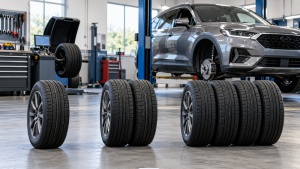
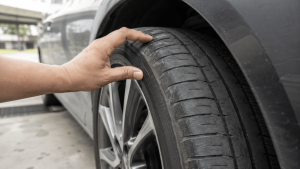
And one of the biggest mistakes drivers can make is ignoring tyre condition. Worn tyres struggle to channel water away effectively, which makes them more likely to lose grip. Many drivers often overlook it until a problem happens.
Why Your Car Feels Different in the Rain
If you ever felt like something is off with your car during rainy weather, you’re definitely not imagining it. The steering can feel lighter or less precise, braking might feel slower and even acceleration can feel slightly delayed. All of this comes down to reduced traction.
In dry conditions, steering, braking and accelerating translate directly to movement, while in wet conditions, there’s a slight delay or softness because your tyres are constantly working to maintain grip.
This is why it is important to drive smoothly in the rain. Sudden movements can overwhelm the limited traction available, which leads to loss of control.
How to Actually Drive Safer in the Heavy Rain
The good news for all of us is that safer driving in the rain doesn’t require advanced skills. You just need better awareness and small adjustments.
You can start by reducing your speed, even if traffic seems to be moving normally. This gives your tyres more time to maintain grip and reduce the risk of hydroplaning.
Be gentle with braking, accelerating and steering. This can make a huge difference in maintaining control.
Always increase your following distance. This gives you more time to react, especially when visibility is poor.
And the most important thing is to pay attention to how your car feels. Noticing more slipping, longer braking or reduced stability could be a sign that your tyres aren’t performing as they should.
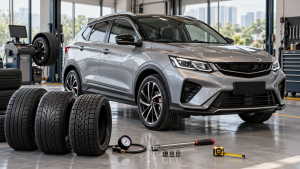
Many of these issues can become obvious during the monsoon season. What feels fine on a dry day can quickly turn into a problem in the rain. That’s why regular checks matter. Something as simple as visiting a car tyre shop to check your tyre conditions or buy tyres that perform well in the rain can help you ensure everything is ready for unpredictable weather.