
Key Takeaways
- Tyres play a critical role in fuel efficiency, as rolling resistance and tyre pressure directly affect how hard the engine works and how much fuel is consumed.
- Tyre design, size, and condition impact driving performance and safety, influencing grip, braking distance, handling, and stability on different road conditions.
- Choosing the right tyres and maintaining them properly can improve fuel savings, enhance driving comfort, and reduce long-term vehicle running costs.
Many drivers do not realise how important the role that tyres play is when it comes to fuel efficiency and driving performance. Engines and aerodynamics usually get the spotlight, but your tyres, the only part of your car that actually has direct contact with the road, also have a direct impact on how much fuel you use, how your vehicle handles and how safe it feels to drive. Factors such as tyre pressure, tread design, and rubber compound all influence how hard your engine has to work.
However, improving efficiency and performance doesn’t always have to be expensive. You can choose the right tyres in a reliable, but cheap tyre shop, which can help you improve performance and fuel costs, as well as offering a comfortable driving experience.
Tyres and Fuel Efficiency
Tyres directly impact how efficient your vehicle is when it comes to fuel consumption, mainly because of rolling resistance, which impacts the amount of energy your car needs to keep the tyres moving on the road. When your tyres have high rolling resistance, it makes the engine work harder, which then leads to increased fuel consumption. Tyre construction, rubber compound, tread pattern – these are factors that contribute to how much resistance your tyres create as they rotate.
Tyre pressure is also an important factor. Under-inflated tyres create more contact with the road, which increases friction and makes the engine burn more fuel, which can significantly raise running costs over time. Choosing tyres that are designed for efficiency and maintaining them properly can reduce fuel usage noticeably.
Tread Pattern and Performance
Tread patterns on tyres are designed to manage traction, water dispersion and road grip, and all these things directly affect driving performance. Deep and more aggressive tread patterns improve grip in wet conditions by channelling water away from the tyre surface, which reduces the risk of aquaplaning. However, they can create more rolling resistance, which can impact fuel efficiency.
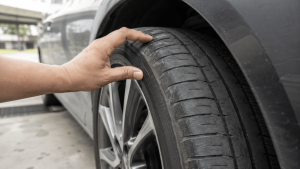
As tyres wear down, tread depth decreases, which then reduces grip and increases braking distances, especially in wet and slippery conditions. Worn tyres can also have uneven contact with the road, which negatively affects both fuel economy and handling. Checking your tyres regularly and replacing them when necessary helps you maintain safe performance.
Tyre Size and Type
Another factor that impacts fuel efficiency and driving performance is the tyre size. Wider tyres provide better grip and improve handling, especially in corners, but they also create more rolling resistance, which can cause your engine to use more fuel, especially in cities. Heavier tyres also reduce acceleration and increase braking distances.
Using the tyres that match the manufacturer’s recommended size helps maintain the balance between efficiency, comfort and control. Although upsizing tyres often looks more attractive and sportier, it often comes at the cost of higher fuel consumption so finding a compromise is the key to achieving both looks, performance and efficiency.
When it comes to tyre type, different tyres are designed to prioritise specific driving needs, with the rubber compound playing a major role in how a tyre performs. All-season tyres, for example, offer a balance between grip, durability and efficiency, which makes them a popular choice for everyday use. Performance tyres usually have softer compounds which help them maximise grip, but they tend to wear faster and reduce fuel efficiency.
Eco or low-rolling-resistance tyres are designed to minimise fuel consumption. Choosing the right tyre depends on your driving habits, road conditions, climate, etc. so consulting a reliable tyre shop can help you find the right solution.
Handling, Braking, Stability – All Influenced by Tyres
It is important to note that tyres play a critical role in how your vehicle handles, brakes and responds to steering inputs. High-quality tyres improve stability in corners and provide shorter braking distances, especially in emergencies.
How stiff a tyre sidewall is also impacts steering response, with firmer sidewalls offering more precise control at higher speeds. Increased safety risks, such as delayed braking, less predictable braking, and reduced grip are all results of poor quality and worn tyres. It doesn’t matter if you’re driving in urban traffic or on highways, using reliable tyres improves the overall control you have over your vehicle and confidence behind the wheel.
These are all key factors that can be affected by your choice of tyres: it is not just the economy – it’s the safety you have in your vehicle. Make sure to pay attention to tyre size, pressure, tread pattern and compound in order to firstly improve safety and then reduce the running costs of your vehicle.
Regular maintenance can help you save money in the long-term.