Key Takeaways
- Tyre noise is often caused by interaction between the tyre and road surface, but excessive noise may indicate issues such as uneven wear or incorrect tire pressure.
- Improper maintenance is a major contributor, including misalignment, poor tire pressure, and lack of rotation.
- Driving conditions and tyre type also play a role, especially in Malaysia where road surfaces, weather, and driving habits vary.
Have you ever noticed a humming, roaring, or thumping sound coming from your tyres while driving, and wondered whether it is normal or a sign of a problem?
Tyre noise is a common experience for many Malaysian drivers, especially when driving on highways or uneven roads. While some level of tyre noise is expected due to the natural interaction between the car tyre and the road surface, excessive or unusual sounds can indicate underlying issues that should not be ignored.
Understanding the causes of tyre noise is important not only for comfort, but also for safety and vehicle performance. In this guide, we explain the main reasons behind tyre noise, how factors like tire pressure affect it, and what you can do to reduce it effectively.
What Is Tyre Noise?
Tyre noise refers to the sound generated when your tyres roll and interact with the road surface. This noise can vary from a low hum to a loud roar depending on several factors.
At a basic level, tyre noise occurs due to:
- Contact between tyre tread and road
- Air movement through tread grooves
- Vibration transmitted into the vehicle cabin
While some noise is normal, excessive noise may signal maintenance issues or worn components.
Common Causes of Tyre Noise
Tyre noise can arise from a combination of tyre condition, vehicle factors, and driving environment.
1. Uneven Tyre Wear
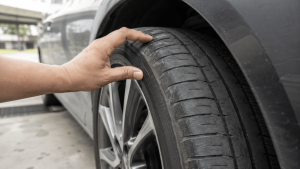
Uneven wear is one of the most common causes of tyre noise. When the tread wears irregularly, it creates inconsistent contact with the road, resulting in vibration and sound.
Types of uneven wear include:
- Cupping (wavy patterns on the tyre surface)
- Feathering (sawtooth edges on tread blocks)
- One-sided wear
These conditions often produce a humming or droning noise that becomes more noticeable at higher speeds.
2. Incorrect Tire Pressure
Maintaining proper tire pressure is crucial for both performance and noise reduction.
- Underinflated tyres can flex excessively, increasing friction and noise
- Overinflated tyres create a harsher contact with the road, amplifying sound
In Malaysia’s hot climate, tyre pressure can fluctuate more easily, making regular checks essential.
3. Tyre Type and Tread Design
Not all tyres produce the same level of noise. The design of the tyre plays a significant role.
- Tyres with aggressive tread patterns (e.g. off-road or 4×4 tyres) tend to be louder
- Performance tyres may generate more noise due to stiffer construction
- Touring tyres are generally quieter
Larger gaps in tread patterns trap and release air, creating more noticeable sound during driving.
4. Road Surface Conditions
In Malaysia, road conditions vary widely—from smooth highways to rough urban roads.
Different surfaces produce different noise levels:
- Rough or coarse roads increase tyre noise
- Concrete surfaces tend to be noisier than asphalt
- Newly paved roads may temporarily produce more sound
Road texture directly affects how tyres interact with the surface, influencing noise levels significantly.
5. Driving Speed
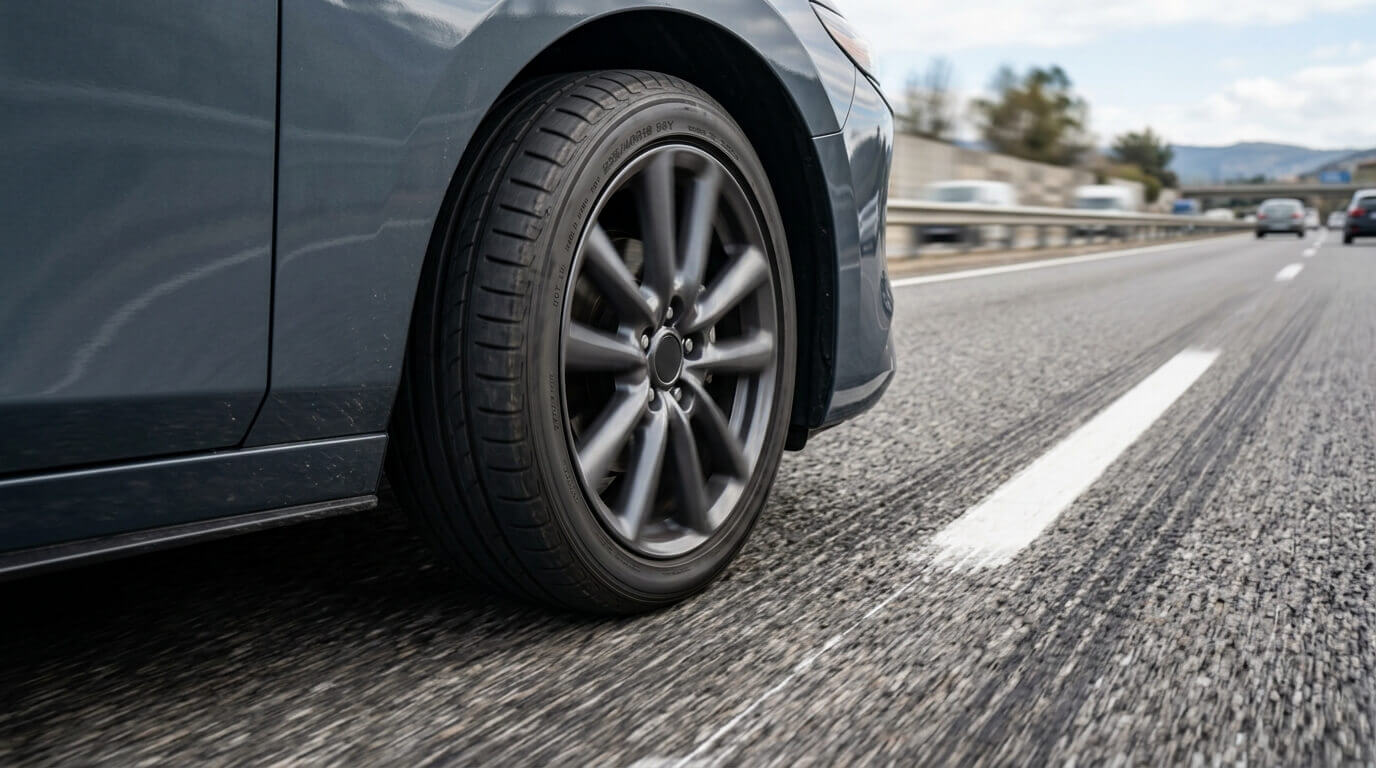
Tyre noise generally increases with speed. As tyres rotate faster, they generate more sound due to increased friction and air movement.
At highway speeds:
- Noise becomes more noticeable
- Frequency and intensity increase
This is why tyre noise is often more apparent during long-distance driving.
6. Wheel Misalignment
If your vehicle’s wheels are not properly aligned, it can lead to uneven tyre wear and increased noise.
Common signs include:
- Vehicle pulling to one side
- Steering instability
- Irregular tyre wear patterns
Tyre misalignment not only increases noise but also reduces tyre lifespan.
7. Worn Suspension Components
The suspension system plays a key role in absorbing vibrations. When components such as shocks or struts wear out, they allow more vibration to pass into the cabin.
This can result in:
- Increased tyre noise
- Rougher ride quality
Worn suspension can also contribute to uneven tyre wear, further increasing noise.
8. Tyre Age and Hardening
As tyres age, the rubber compound becomes harder and less flexible.
This leads to:
- Reduced ability to absorb vibration
- Increased noise levels
Older tyres, even if not heavily worn, can produce more noise compared to newer ones.
9. Driving Habits
Aggressive driving can also contribute to tyre noise.
Examples include:
- Hard acceleration
- Sudden braking
- Fast cornering
These actions increase stress on the tyres, causing squealing or louder road noise.
Types of Tyre Noise and What They Mean
Different sounds can indicate different issues.
Humming Noise
This is usually caused by uneven tyre wear or the interaction between the tyre and the road surface.
Roaring Noise
This is often linked to worn tyres or driving at high speeds, where increased friction and vibration amplify the noise.
Thumping Sound
This may indicate tyre damage or the presence of flat spots, which can affect smooth rotation and overall driving performance.
Squealing Noise
This is typically caused by loss of traction or aggressive driving, such as sudden acceleration, hard braking, or sharp cornering.
Why Tyre Noise Should Not Be Ignored
While tyre noise may seem like a minor inconvenience, it can often signal underlying issues, as excessive tyre noise can affect driving comfort, indicate potential safety risks, and lead to faster tyre wear, and in some cases, it may even point to mechanical problems beyond the tyres themselves.
How to Reduce Tyre Noise
Reducing tyre noise involves a combination of maintenance and proper tyre selection.
1. Maintain Proper Tire Pressure
Keeping your tyre pressure at the recommended level helps ensure even contact with the road and reduces unnecessary noise.
2. Perform Regular Tyre Rotation
Rotating tyres helps distribute wear evenly, preventing noise caused by uneven tread patterns.
3. Ensure Proper Alignment and Balancing
Regular alignment and balancing improve:
- Driving stability
- Tyre lifespan
- Noise reduction
4. Choose the Right Tyres
Selecting tyres designed for a quiet ride can significantly reduce noise.
Look for:
- Low-noise tread patterns
- Touring tyres
- Noise-reduction technology
5. Inspect Tyres Regularly
Check for:
- Uneven wear
- Damage
- Embedded objects
Early detection helps prevent noise from worsening.
Tyre Noise in Malaysian Driving Conditions
Malaysia’s environment presents unique challenges that can influence tyre noise.
Weather Conditions
- Heavy rain can affect traction and sound levels
- Heat can impact tyre pressure and wear
Road Quality
- Urban roads may be uneven or worn
- Highways generally provide smoother driving but higher speeds increase noise
Driving Patterns
- Frequent stop-and-go traffic
- Long-distance highway driving
These factors make tyre maintenance even more important for Malaysian drivers.
When Should You Replace Your Tyres?
In some cases, tyre noise is a sign that replacement is necessary.
Consider replacing tyres if:
- Noise increases significantly over time
- Tread wear is uneven or excessive
- Tyres are more than 5–6 years old
- Performance and comfort decline
Replacing tyres can restore both safety and driving comfort.
Conclusion: Understanding Tyre Noise for Better Driving
Tyre noise is a natural part of driving, but excessive or unusual sounds should not be ignored. From tire pressure issues to uneven wear and road conditions, multiple factors can contribute to the noise you hear.
By understanding the causes and taking proactive steps—such as regular maintenance, proper tyre selection, and safe driving habits—you can enjoy a quieter, safer, and more comfortable driving experience.
Experiencing Tyre Noise? Get It Checked Today
If you notice unusual tyre noise while driving, it may be time for a professional inspection.
Visit a trusted tyre service provider to check your car tyre condition, alignment, and tire pressure, and ensure your vehicle remains safe, efficient, and comfortable on Malaysian roads.
Find a location near you at Tayaria.com and ensure your drive remains safe and comfortable.