
Key Takeaways
- Preparing your car before a road trip is essential for safety and reliability, including checking tyres, brakes, steering, and fluid levels.
- Tyres, visibility, and vehicle control systems directly impact driving safety, especially during long-distance travel and changing road conditions.
- Carrying an emergency kit and planning your route in advance helps you handle unexpected situations and ensures a smoother, stress-free journey.
The sense of freedom, flexibility, the chance to explore… these are just some of the things that road trips offer, but they can also come with uncertainties that can quickly turn a great journey into a stressful situation.
From unexpected vehicle issues to changing weather conditions, it is important to be prepared before you hit the road. You can create a simple safety checklist to help you avoid problems and stay confident and focused, allowing you to truly enjoy your journey. So, before you pack the snacks and create a playlist, you should also take a few minutes to ensure that you and your car are ready for the trip!
Tyres and Wheels
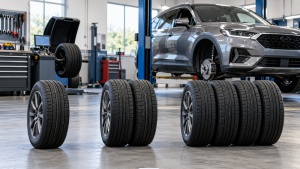
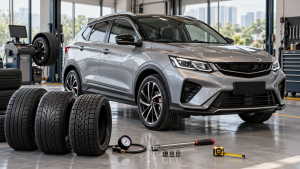
Many people tend to overlook them, but your tyres are one of the most important safety components of your vehicle, especially when you’re on a long road trip where you will face changing road surfaces and high speeds. Before you hit the road, ensure that your tyres are properly inflated according to the manufacturer’s recommendations. You should also check your tread depth to make sure you have adequate grip and water dispersal capacity in wet weather.
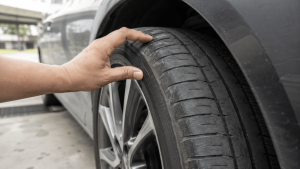
After checking the tread depth and pressure, you should also have to look closely for signs of wear, cracks or bulges that could get worse over time. You should also check the condition of your spare tyre, ensuring it is properly inflated as well. Poor tyre maintenance not only affects fuel efficiency and handling but also increases the risk of issues such as flat car tyres, especially when you’re driving long distances or through remote areas.
Brakes, Steering, Fluid Levels
Steering and braking are essential for controlling your car during a road trip, especially on highways or through unfamiliar areas. Therefore, before your trip, you should check for noises, vibrations or delayed stopping when it comes to your brakes since these things often indicate that they need servicing. Steering should feel responsive and stable, your car should not be pulling to one side, and you should not feel excessive vibration. All these things can indicate alignment or suspension issues.
Besides these things, you should check your vehicle’s fluid levels. Engine oil, coolant, brake fluid and windshield washer fluid – make sure they are all topped up and free from contamination. Low or leaking fluids can cause overheating, reduce braking efficiency and cause breakdowns far from help. One quick visual inspection under the car for leaks can help you see potential problems early and avoid unnecessary stress during your road trip.
Lights, Signals and Visibility
Especially if you’re driving during the night or face changing weather conditions, good visibility is an essential part of safe driving, particularly on long road trips. Make sure to check that all of your exterior lights are working properly, which includes headlights, brake lights, indicators and hazard lights. Make sure to clean the dirt from lenses to ensure maximum brightness.
When it comes to the interior, make sure that your dashboard lights are functioning correctly. It’s also important to check your washer fluid and windshield wipers as they will make sure you have proper visibility during rain or dust, which further reduces the risk of accidents and improves overall driving confidence.
Basic Road Trip Emergency Kit
Even if everything mentioned above is working well, it is still important to have a basic emergency kit since unexpected situations can arise at any time. The kit should include items such as jumper cables or a portable battery booster, a first-aid kit and a torch.
Reflective warning triangles and high-visibility vests are not only mandatory in some countries but can also really keep you safe if you have to stop on the roadside. You should also pack a tyre pressure gauge or portable inflator since they can be very helpful when you face issues such as a flat car tyre. Having these things close to you can reduce stress, save time and help you handle the problem confidently.
Final Preparations
As we mentioned before, it is important that your vehicle is prepared for the road trip. But it is also important that you, as a driver, are also well-prepared. Make sure to review your route and check for potential road closures, traffic delays or weather conditions that could affect your journey. It is also recommended to plan fuel stops, rest areas and overnight breaks in advance to help you reduce fatigue.
Consider the type of terrain you will be driving through, especially if it includes rural roads, mountains or long stretches without cell phone service. Another thing to pay attention to is to make sure you are well rested and hydrated while driving.
Make sure to take regular breaks and, if possible, share driving responsibilities with other people in the car on longer trips. That way, you can ensure staying both mentally and physically prepared to face potential issues mentioned above and have a fun and enjoyable road trip.
Before your next trip, trust Tayaria to keep your tyres in top condition.