
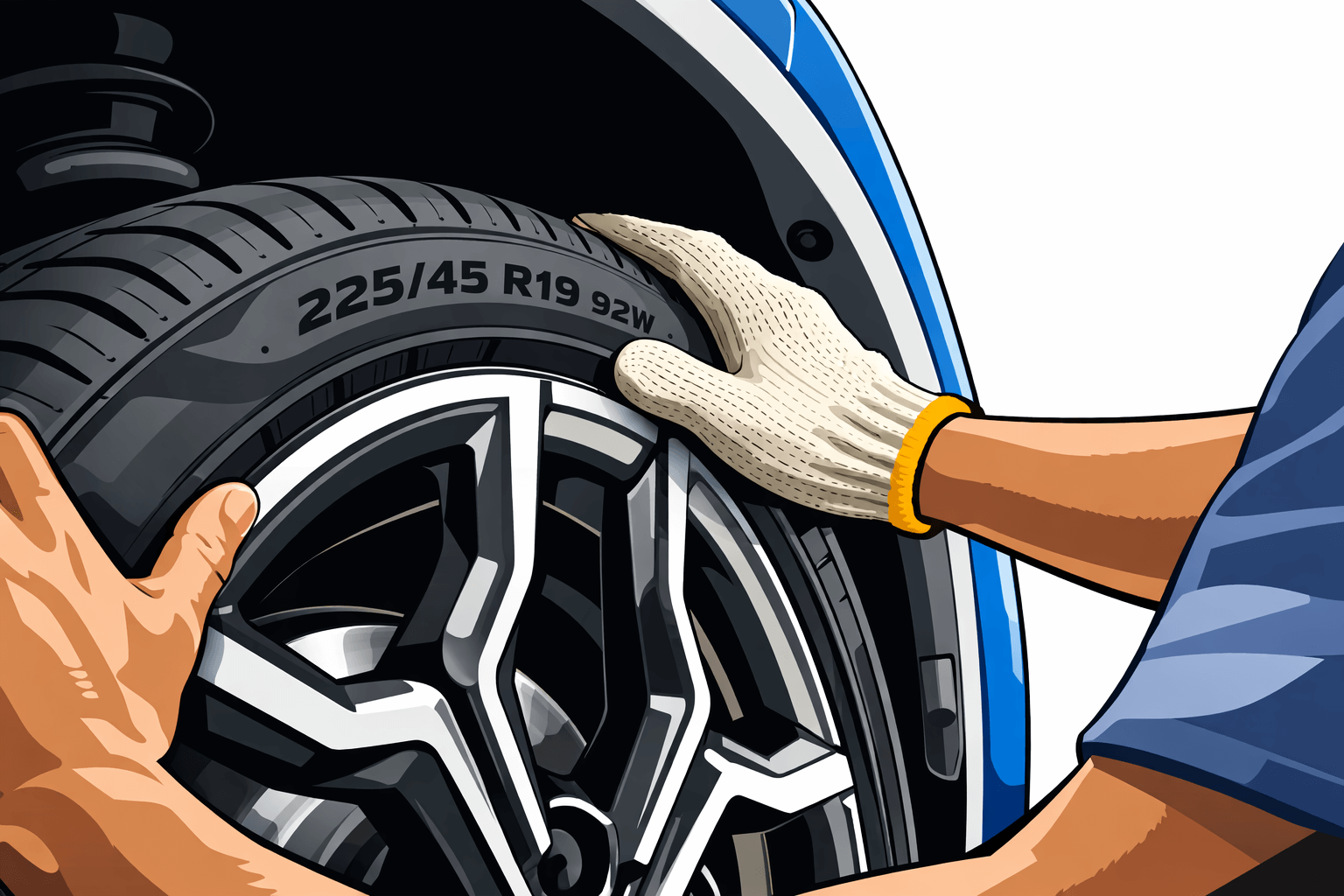
When purchasing car tyres, most drivers focus on price, brand, tread design, and size. However, one critical detail is often overlooked: the year of manufacture, identified through the tire date code (DOT code) on the tyre sidewall. This raises an important question for many car owners — is it safe to buy tyres that are technically new but were manufactured several years ago?
This concern frequently arises when drivers encounter cheap car tyres, clearance stock, or promotional pricing. It also leads to confusion between unused but older tyres and tayar second hand, which are previously used tyres. Understanding how tyre age affects safety, performance, and roadworthiness is essential for making informed decisions.
This article explains how the DOT code works, what constitutes an “old” new car tyre, and the safety considerations drivers should evaluate before purchasing tyres based on their tire manufacture date.
What Is the DOT Code and Why Does It Matter?
The Department of Transportation (DOT) code is a sequence of letters and numbers moulded onto the sidewall of every car tyre sold legally. It provides traceability information, including where and when the tyre was manufactured.
The most important element for consumers is the last four digits, which indicate the tire manufacture date:
- The first two digits represent the week of manufacture
- The last two digits represent the year of manufacture
For example, a DOT code ending in 3521 means the tyre was manufactured in the 35th week of 2021.
This date is crucial because car tyres age regardless of whether they are used. The DOT code allows motorists, retailers, and insurers to assess a tyre’s age accurately.
What Does “Old” New Car Tyres Mean?
An “old” new car tyre refers to a tyre that has never been installed or driven on, retains full tread depth, but was manufactured several years earlier. These tyres are often sold at a discount and marketed as cheap car tyres.
It is important to distinguish these from tayar second hand, which are tyres that have already been used on the road and may have unknown wear or damage history.
Old new tyres are unused, but age-related degradation may still affect their performance and safety.
How Car Tyres Age Over Time
Car tyres are made of rubber compounds and reinforced materials that naturally degrade over time, even when not in use. This ageing process occurs due to:
- Oxidation of rubber compounds
- Exposure to heat and temperature fluctuations
- Ozone in the air
- Environmental storage conditions
Even when stored indoors, tyres slowly lose elasticity and flexibility. This degradation is often invisible to the naked eye, which makes the tire date code the most reliable indicator of age.
Factors that influence how quickly tyres age include:
- Storage temperature and humidity
- Exposure to sunlight or moisture
- Duration of storage before sale
Proper storage slows degradation but does not stop it entirely.
Is There a Legal Limit on Car Tyre Age in Malaysia?
In Malaysia, there is no specific law that prohibits the sale or use of new car tyres based solely on their age. However, industry standards and manufacturer guidelines provide important safety benchmarks.
Most tyre manufacturers and automotive safety authorities generally advise:
- Exercising caution when purchasing tyres older than three to five years from the tire manufacture date
- Replacing car tyres that are six years or older, regardless of tread depth
While these are not legal requirements, they are widely recognised as best practice for vehicle safety and roadworthiness.
Safety Considerations When Buying Old New Car Tyres
Before purchasing older stock, drivers should assess more than just price or appearance. Several safety factors are affected by tyre age.
Rubber Performance and Grip
As tyres age, rubber compounds can harden. This reduces:
- Wet-weather traction
- Braking efficiency
- Overall ride comfort
Reduced grip may not be noticeable during normal driving but can significantly affect emergency braking and cornering.
Structural Integrity
Age can weaken internal components such as belts and sidewalls, increasing the risk of:
- Sidewall cracking
- Sudden air pressure loss
- Blowouts at highway speeds
These risks are especially relevant for cars driven on expressways or under heavy loads.
Driving Conditions and Usage
Drivers who frequently travel long distances, commute at high speeds, or carry passengers regularly face higher safety risks when using older tyres. Urban, low-speed driving may reduce immediate risk but does not eliminate it.
Old New Car Tyres vs Tayar Second Hand
Understanding the difference between these two categories is essential:
- Old new car tyres: Unused tyres with full tread but an older tire manufacture date
- Tayar second hand: Previously used tyres with unknown driving history and wear patterns
From a safety standpoint, second-hand tyres carry significantly higher risks due to:
- Uneven or excessive wear
- Potential internal damage from potholes or impacts
- Previous puncture repairs
While older unused tyres may still be serviceable under certain conditions, second-hand tyres are far less predictable.
Why Cheap Car Tyres Are Often Older Stock
Car tyres are often discounted because they have been in inventory longer. Retailers may lower prices to clear stock as tyres approach certain age thresholds.
A lower price does not automatically mean the tyre is unsafe, but buyers should:
- Check the tire date code
- Ask about storage conditions
- Consider whether the discount justifies a shorter remaining service life
A tyre that is already three or four years old at purchase will naturally reach its recommended replacement age sooner.
How to Assess an Old New Car Tyre Before Purchase
Before committing to older stock, drivers should:
- Verify the DOT code and manufacture date
- Inspect for visible cracks, stiffness, or discolouration
- Ask how and where the tyres were stored
- Confirm the manufacturer’s warranty terms
- Consider intended driving duration and mileage
For short-term use, a three-year-old tyre may still perform adequately, but it should not be expected to deliver the same lifespan as a freshly manufactured tyre.
Insurance and Liability Considerations
Most motor insurance policies do not specify tyre age requirements. However, if an accident investigation determines that tyre condition contributed to loss of control, questions may arise regarding vehicle maintenance and roadworthiness.
Using tyres that are excessively aged or visibly degraded could complicate insurance claims, especially in serious accidents.
When Should Car Tyres Be Replaced Regardless of Tread?
Safety experts generally recommend replacing car tyres when:
- They reach six years from the tire manufacture date
- Sidewall cracks, bulges, or deformities appear
- The rubber feels unusually hard
- Tyres experience repeated air pressure loss
Tread depth alone is not a sufficient measure of tyre safety.
Making an Informed Decision as a Car Owner
Ultimately, purchasing car tyres — whether discounted or premium — is a safety-critical decision. Understanding the tire date code allows consumers to evaluate whether a lower price reflects genuine value or reduced usable lifespan.
This is especially important when comparing offers for cheap car tyres, where age is often the primary reason for the discount.
Conclusion
Buying car tires that are technically new but manufactured several years ago is not automatically unsafe, but tyre age is a critical factor that directly affects grip, durability, and overall safety.
By understanding the DOT code, assessing the tire manufacture date, and matching tyre age to driving needs, motorists can make informed choices and avoid confusion between old new tyres and tayar second hand.
In road safety, informed decisions matter. Paying attention to tyre age helps protect not only your vehicle and passengers, but also everyone sharing the road.
Looking for reliable car tyres you can trust? Visit Tayaria to explore quality car tyres, transparent pricing, and expert guidance to help you choose the right tyres with confidence.