
Hitting a pothole can be an unsettling experience for any driver. While the immediate jolt may seem minor, the impact can cause hidden damage to your vehicle’s tyres and rims—damage that is not always visible at first glance.
In many cases, drivers continue driving without realising that a single pothole impact has compromised tyre integrity, wheel alignment, or rim structure.
This article explains how potholes cause tyre damage, what signs to look for after an impact, how to conduct a proper tyre pressure check, and when professional inspection is necessary. Understanding these risks can help prevent more serious issues such as a sudden car tyre puncture, loss of control, or costly repairs later on.
Why Potholes Are More Dangerous Than They Appear
Potholes form when water seeps into road surfaces, weakens the underlying structure, and expands under traffic pressure. Over time, this leads to cavities that can be deep, sharp-edged, and unpredictable.
When a vehicle hits a pothole, the force is transferred directly to:
- The tyre sidewall
- The wheel rim
- Suspension and steering components
Unlike gradual wear, pothole damage occurs suddenly and can exceed what tyres and rims are designed to withstand.
Common Types of Tyre Damage Caused by Potholes
Not all tyre damage is immediately visible. Some of the most common forms of pothole-related tyre damage include:
1. Sidewall Bulges or Bubbles
A pothole impact can weaken the internal structure of the tyre sidewall. This may cause a bulge to form, indicating internal cord damage. Such tyres are unsafe and may fail without warning.
2. Cuts and Tears
Sharp pothole edges can slice into the tyre rubber, increasing the risk of a car tyre puncture. Even small cuts can expand over time.
3. Internal Structural Damage
Some tyre damage occurs beneath the surface. The tyre may appear normal but may no longer maintain air pressure consistently, making regular tyre pressure checks critical.
Rim Damage: The Often Overlooked Risk
While tyres absorb some impact, the wheel rim often takes the brunt of the force, especially with low-profile tyres.
Common rim issues include:
- Bent rims that affect wheel balance
- Cracks that compromise structural integrity
- Deformed edges that prevent proper tyre sealing
Rim damage can cause slow air leaks, vibration while driving, and uneven tyre wear, even if the tyre itself appears intact.
Immediate Steps to Take After Hitting a Pothole
After hitting a pothole, it is important to take prompt action, even if the vehicle seems to drive normally.
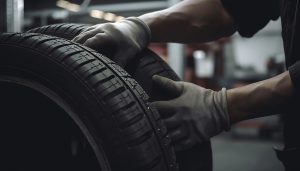
1. Perform a Visual Inspection
Check all four tyres for:
- Bulges or bubbles
- Cuts, cracks, or exposed cords
- Uneven wear patterns
Also inspect rims for visible bends or cracks.
2. Conduct a Tyre Pressure Check
A pothole impact can cause a sudden or gradual loss of air. Use a reliable gauge to perform a tyre pressure check and compare readings against manufacturer-recommended levels.
A tyre that loses pressure repeatedly may have sustained internal damage.
3. Pay Attention to Driving Behaviour
After the impact, monitor for:
- Steering pulling to one side
- Vibrations at certain speeds
- Unusual noises
These may indicate tyre damage, rim deformation, or alignment issues.
Hidden Damage That May Appear Later
One of the most concerning aspects of pothole damage is delayed failure. Tyres that appear fine initially may deteriorate over time.
Delayed symptoms include:
- Gradual air pressure loss
- Increased road noise
- Reduced handling stability
- Higher risk of sudden car tyre puncture
This is why ongoing observation and periodic tyre inspections are important after a significant impact.
When Should You Seek Professional Inspection?
While basic checks can be done by drivers, professional inspection is recommended if:
- The pothole impact was severe
- Any vibration or steering issue persists
- Tyre pressure drops repeatedly
- There is visible rim deformation
A trained technician can assess internal tyre damage, measure rim run-out, and check wheel alignment—issues that may not be visible during a casual inspection.
The Importance of Wheel Alignment After a Pothole Impact
Potholes can knock wheels out of alignment, even if tyres and rims appear undamaged. Misalignment can lead to:
- Accelerated tyre wear
- Reduced fuel efficiency
- Compromised handling and braking
Addressing alignment issues early helps prevent further tyre damage and improves overall vehicle safety.
How Regular Tyre Pressure Checks Reduce Risk
Maintaining correct tyre pressure is one of the simplest yet most effective ways to reduce the risk of tyre failure after a pothole impact.
Benefits of regular tyre pressure checks include:
- Early detection of slow leaks
- Improved tyre lifespan
- Better fuel efficiency
- Reduced likelihood of sudden blowouts
Drivers are advised to check tyre pressure at least once a month and after any significant road impact.
Preventive Measures to Reduce Pothole-Related Damage
While not all potholes can be avoided, certain practices can reduce risk:
- Maintain proper tyre pressure at all times
- Avoid sudden braking over potholes, if safe to do so
- Reduce speed on poorly maintained roads
- Replace worn tyres that have less impact absorption
Well-maintained tyres are better equipped to handle unexpected road hazards.
Legal and Insurance Considerations
In some cases, pothole damage may be covered under motor insurance policies, depending on coverage terms. Proper documentation, such as photographs and inspection reports, may be required when filing a claim.
Understanding the condition of tyres and rims after an incident can support insurance assessments and prevent disputes over vehicle damage.
Conclusion
Hitting a pothole is more than a momentary inconvenience—it can result in serious and sometimes hidden tyre and rim damage. From sidewall bulges to internal structural issues, pothole impacts increase the risk of tyre damage, air pressure loss, and unexpected car tyre puncture.
Conducting a prompt visual inspection, performing a thorough tyre pressure check, and seeking professional assessment when needed are essential steps in maintaining vehicle safety.
By staying vigilant and proactive, drivers can minimise risks, extend tyre lifespan, and ensure safer journeys—even on imperfect roads.
Book a professional tyre inspection with Tayaria today for safer, smoother driving.